How to Clean Any Phone Model Speakers for Louder and Clearer Sound
Learn how to clean your any phone model speakers for louder, clearer sound. Simple, effective methods to maintain sound quality and prevent audio issues.
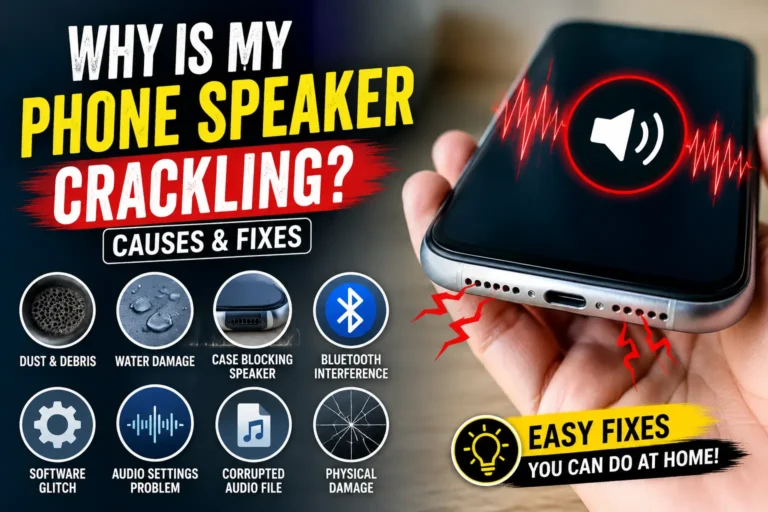
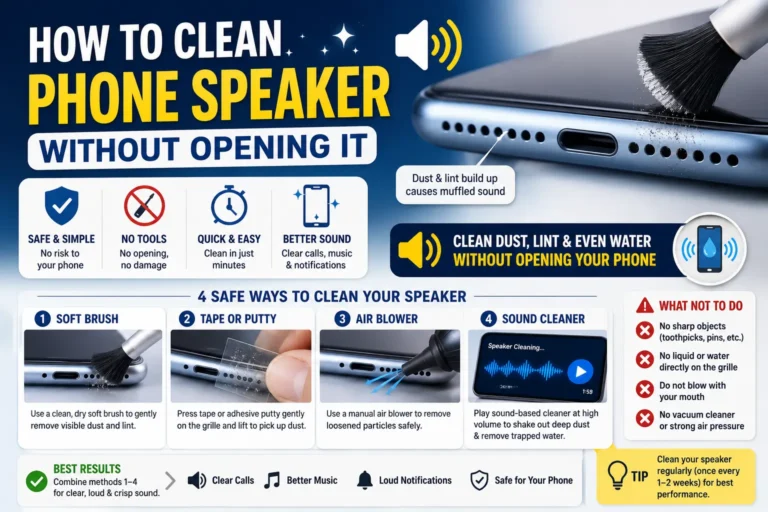
When it comes to smartphone audio quality, it plays an essential role in delivering a satisfying user experience. Over time, dust, debris, and grime can accumulate in the speakers of your any phone model, affecting the sound quality and making it harder to hear your calls, videos, and music. If you are experiencing muffled audio or low speaker volume, it might be time to clean your phone’s speakers. In this guide, we show you step by step how to clean any phone model speakers and improve the audio output.
Why Clean Your Phone Speakers?
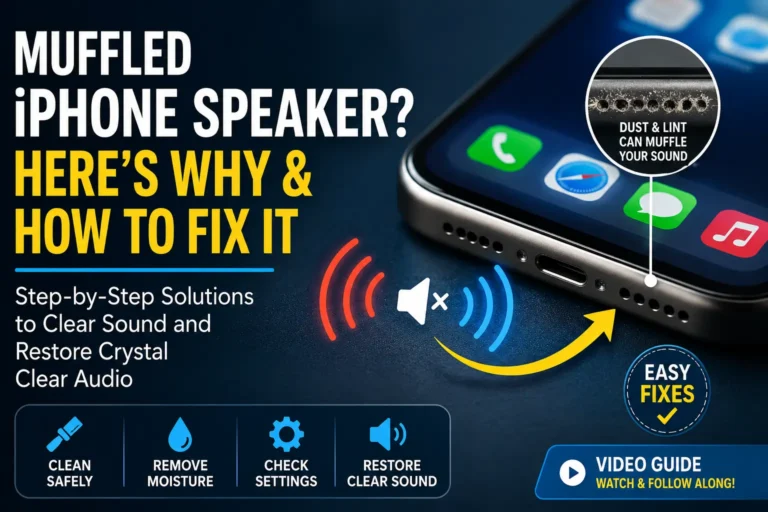
Smartphones are constantly exposed to the environment, and as a result, the tiny speaker grills often collect dust, lint, and other particles. These obstructions can result in:
- Muffled sound: Dust and debris can obstruct the sound waves, causing audio distortion.
- Lower volume: When the speaker grill is blocked, the volume output is significantly reduced.
- Poor call quality: If the microphone or speaker is blocked, your voice may not be heard clearly, or you may struggle to hear the other person.
Cleaning your phone speakers is a simple task that can help restore their performance and ensure you get the best audio experience possible.
What You’ll Need for the Cleaning Process
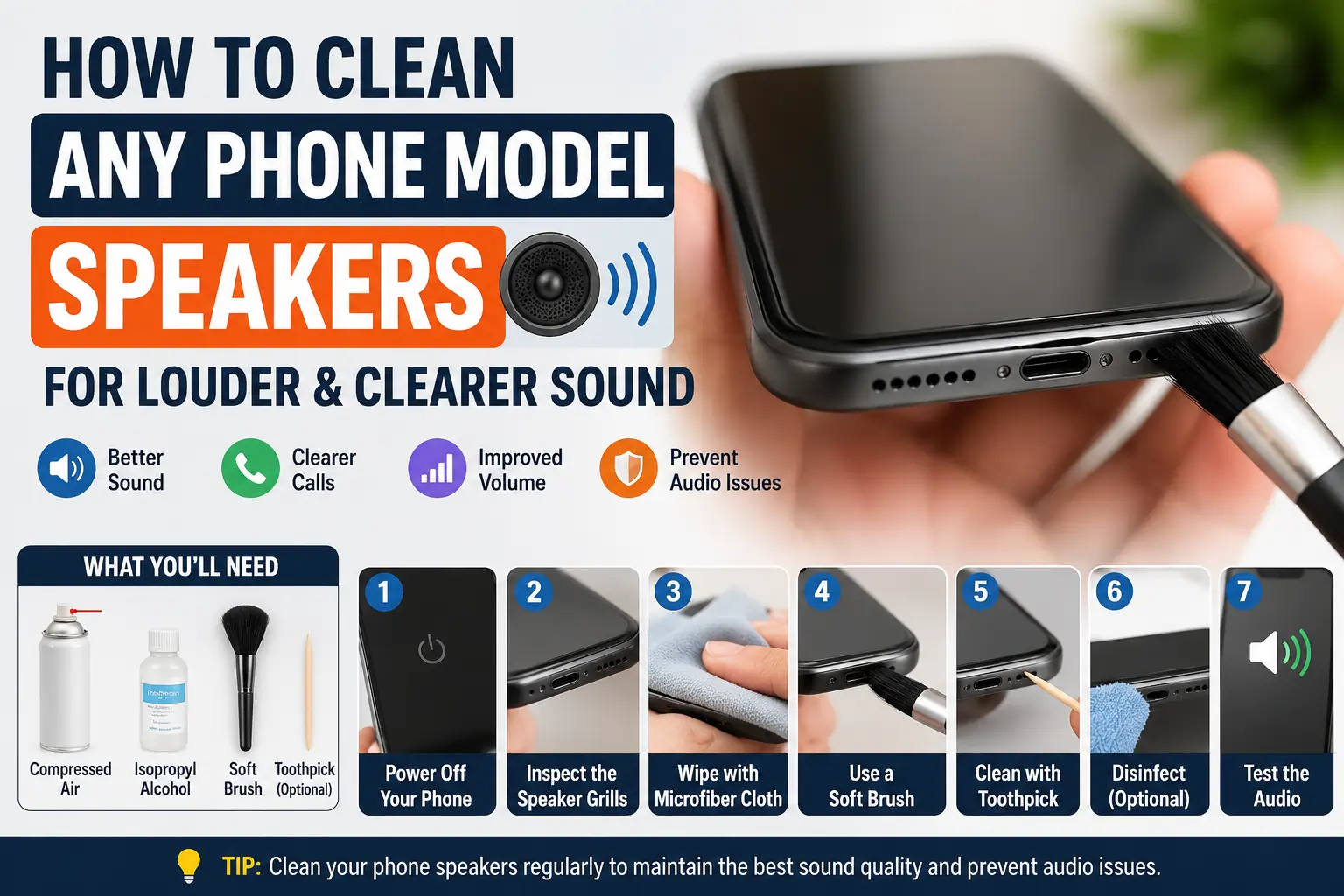
Before you start, gather the following tools. To avoid any accidental damage during cleaning, it is always a good idea to power off your device before you begin.
- Compressed air or a can of air
- Isopropyl alcohol (optional, for sanitizing)
- A toothpick or similarly thin tool (optional, for stubborn debris)
What You Should Avoid
- Harsh chemicals: Avoid using cleaners that contain harsh chemicals or abrasives, as these can damage your phone.
- Sharp objects: Avoid using sharp tools that can scratch or damage the speaker grilles.
How to Clean Phone Speakers
Step 1: Power Off Your Phone
To avoid any accidental damage during cleaning, it is always a good idea to power off your device before you start.
Step 2: Inspect the Speaker Grills
First, inspect your phone’s speaker grilles to see if any dirt or debris is visible. Depending on your phone model, the speaker grilles may be located at the bottom of the phone or at the top near the front-facing camera.
Step 3: Dry Wipe the Exterior with a Microfiber Cloth
Take a microfiber cloth and gently wipe down the surface of your phone, especially around the speaker grills. This helps remove any surface dust, smudges, or fingerprints. A microfiber cloth is ideal because it will not scratch your phone’s screen or exterior.
Step 4: Use a Soft Brush
A small, soft brush — like an old makeup brush — works well to clean the speaker grill. Hold the brush at a slight angle and gently scrub the grill area to dislodge debris stuck inside the tiny holes.
Tip: Be gentle. Applying too much pressure can damage the speakers or push debris further inside.
Step 5: Clean with a Toothpick or Similar Tool
If you notice any stubborn debris that cannot be removed by brushing or air, you can use a toothpick or a similarly thin tool to gently remove it. Be cautious not to scratch the speaker grill or push the debris further inside. A plastic toothpick is recommended over a metal one to prevent damage.
Step 6: Disinfect
If you want to sanitize your phone, lightly moisten a microfiber cloth with a small amount of isopropyl alcohol and gently wipe down the speaker area. Make sure the cloth is damp and not soaking wet to avoid liquid damage. Alcohol can also help break down oils and other grime that may be obstructing the sound.
Note: Avoid applying alcohol directly to the speaker or any part of the phone.
Step 7: Test the Audio
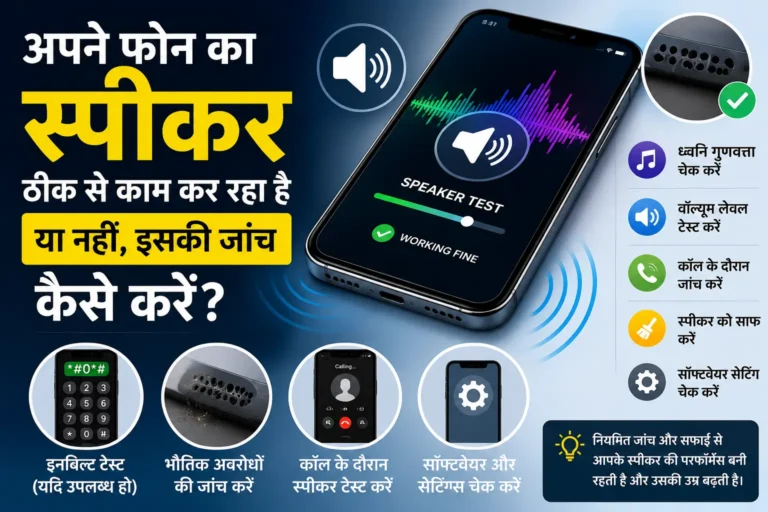
After cleaning, turn on your phone and test the speaker sound. You should notice clearer audio and better volume output. If the sound still seems muffled, try repeating the cleaning process to ensure all debris has been removed.
Pros and Cons of Cleaning Your Phone Speakers
Pros
- Improved sound quality: Cleaning the speakers restores their clarity and volume.
- Better call quality: By removing debris, you will be able to hear and speak more clearly during calls.
- Increased longevity: Regular maintenance prevents dust from accumulating and damaging internal components.
Cons
- Requires gentle handling: If not done carefully, cleaning could damage the speaker or push debris inside.
- Not a solution for internal damage: Cleaning the speakers will not help if the internal components are damaged or malfunctioning.
Does Cleaning Your Phone Speakers Really Work?
If your phone’s speakers are still producing poor sound quality even after cleaning, it may be a sign of a deeper issue, such as hardware damage. In that case, consider visiting an authorized service center.
Common Myths & Misconceptions About Phone Speaker Cleaning
Myth 1: Cleaning does not make a difference. Some people think cleaning their phone’s speakers does not improve sound quality, but the truth is that removing dust and debris can have a significant impact.
Myth 2: You need professional help. While professionals can help with complex issues, cleaning your phone speakers is a simple task that you can do at home with minimal tools.
Myth 3: Compressed air will damage the phone. If used correctly, compressed air is a safe and effective way to clean the speakers without causing harm to your device.
Who Should Clean Their Phone Speakers?
- Anyone experiencing muffled sound or low speaker volume.
- Users who have been using their phone in dusty environments or places prone to lint accumulation.
- People who want to ensure their phone’s audio quality is always at its best.
Who Should Not Clean Their Phone Speakers?
- Individuals who are unsure about the cleaning process or do not have the necessary tools.
- Users with devices that are still under warranty, as disassembling or cleaning the device improperly may void the warranty.
- People who have severe hardware issues with their phone speakers and need professional repairs.
FAQs
1. Can I use a cotton swab to clean my phone speakers?
While it is possible, cotton swabs can leave behind lint or fibers. It is best to use a soft brush or compressed air to clean the speakers effectively.
2. How often should I clean my phone speakers?
It depends on usage, but cleaning your phone’s speakers once every few months or when you notice a decrease in audio quality is a good habit.
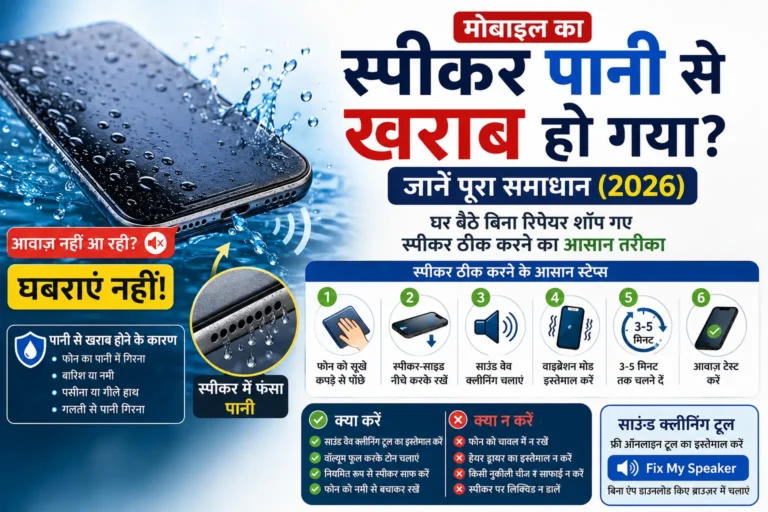
3. Can I use water to clean the speaker area?
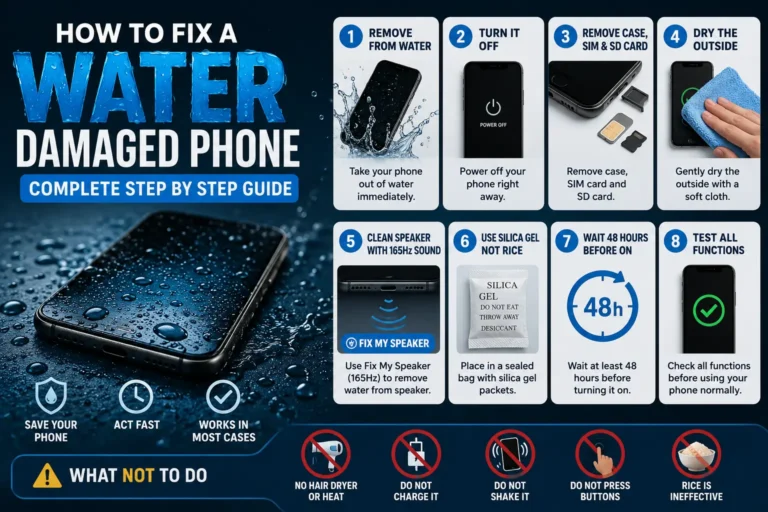
No, it is best to avoid using water as it can damage internal components. Use a dry microfiber cloth or isopropyl alcohol for cleaning.
4. My speaker is still quiet even after cleaning. What should I do?
If cleaning does not improve the sound, there may be an internal issue with your phone. Consider visiting a service center.
5. Can cleaning the speaker affect the warranty?
Cleaning your phone speakers with proper tools should not void your warranty. However, avoid opening the phone or using harsh methods.
Final Verdict
Cleaning your phone speakers is a simple yet effective way to restore clarity, improve volume, and ensure you get the best audio experience. By following the steps outlined in this guide, you can maintain the sound quality of your phone and avoid future audio issues. Just remember to clean your speakers regularly and handle your phone with care to maximize its lifespan.